

The Jester
On "Mewgenics", "Relooted", and lost 80's synth music

This week we’re talking about:
🔵 The brilliant, ugly, and dubious Mewgenics, the latest from the…interesting creator of The Binding of Isaac.
🔵 Relooted, the heist game with black history on its side.
🎧 The mystery of George Garside, 80’s synth composer being rediscovered on YouTube.
📄 Huge shake-ups at Xbox and Sony continue gaming’s post-COVID contractions.

Mewgenics is a brilliantly designed tactics game that leaves a sour aftertaste
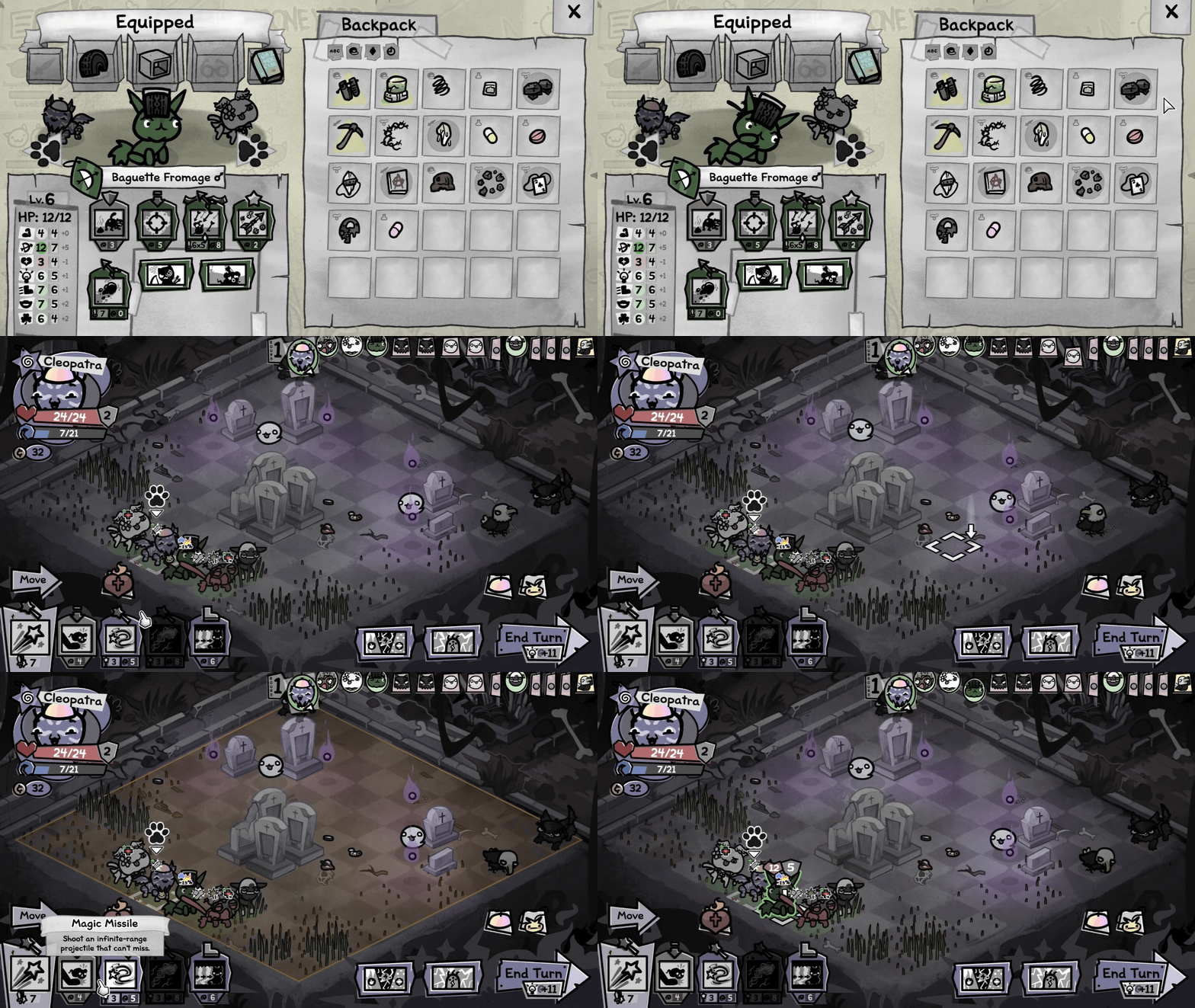
The games of Edmund McMillen (creator of Super Meat Boy and The Binding of Isaac) personify the type of outsider art and bracing, confrontational humor that caught on with the rise of the internet in the mid-to-late 2000’s.
“I wanted to bother the people that bothered [me]” McMillen once said of the type of provocative, unapologetic art that he sought to make early in his career. These originally manifested in the form of morbidly absurd comics, one of which was titled “This Is A Cry For Help”, featuring 12 panels depicting various “things to do with dead babies”.
Eventually, McMillen, shaped by the dark alleys of early internet culture (rotten.com, Something Awful, etc.) began making games on Newgrounds, a user-generated content site that hosted all sorts of rough, crude independent games, frequently made in Adobe Flash (you know the look) and often providing creators with their first taste of development. Success on Newgrounds meant connecting and finding your audience of like-minded fans (who would drive them up the rankings), something McMillen’s games have always done.
Now in 2026, after a decade-plus of accolades and millions of units sold, McMillen is a breakthrough indie developer. He’s an outsider and an insider, a more sensitive version of his younger self, but no less provocative.
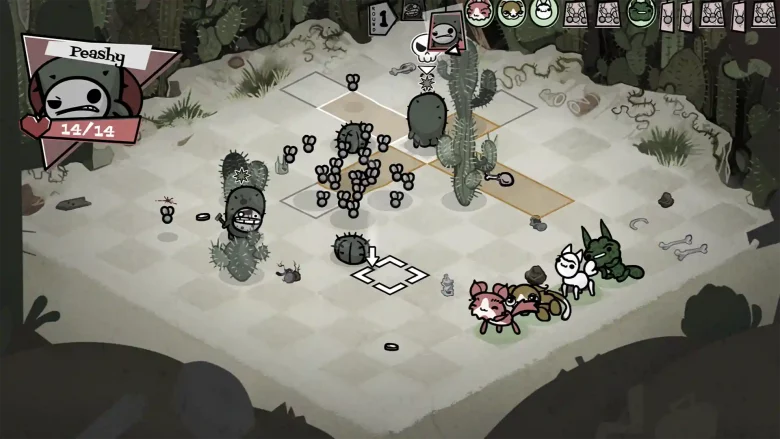
Mewgenics, his latest game (co-created with Tyler Glaiel and released on February 10th) bares all of his usual trademarks - the crude, Flash-animated art style, the endless poop jokes, the love of the grotesque and the disfigured - and a few new ones, as well.
Speaking to Chris Plante on Post Games leading up to the game’s release, Edmund spoke both fluently and honestly about his childhood, his perspective, and his family. He got deeply choked up when talking about his daughter, and deeply dismissive of discussing “politics”. He spoke like an enlightened, mature artist one minute and a petty victim the next, (with the kind of intonation added to the word “Kotaku” generally reserved for bad-faith “gamergate” participants).
This sort of hi-lo intellectualism coarses throughout Mewgenics, a roguelike turn-based tactics game (featuring over hundreds of playable cats, I should add) that plays smart and looks dumb. It’s filled with masterfully-balanced mechanics and strategies mapped onto the primitive Flash-animated art style that McMillen proudly owns, along with his love of excrement and a good pun.
McMillen has described the idea behind Mewgenics (which, yes, is a play on “eugenics”) as a “fuck you” to both the genetic theory and perhaps to the people who may denounce it publicly but secretly practice its motives.
“This sort of hi-lo intellectualism coarses throughout Mewgenics, a roguelike turn-based tactics game that plays smart and looks dumb.”
This is expressed through Mewgenics’ in-game cat-breeding system which puts the player in a moral dilemma in which they must breed and train a house of stray cats in order to amass an army of feline killers to succeed during combat runs. The surprising depth and vulgarity of this system is pure McMillen, which each cat uniquely disposed to birth defects (an extra arm or a leg) or behavior traits (ADHD, Chrons disease) that can be passed down from parent to kitten.
“I wanted there to always be a positive side to the defects”, McMillen proudly relayed to Plante during the interview, expressing one of the core ideas in Mewgenics that best displays his more empathetic qualities becoming merged with his game design.
But McMillen still has a ways to go in his maturity. The reveal of the full voice roster for each of the cats, some of whom are portrayed by controversial and ideologically opposed internet personalities, displays the younger, more abrasive version of himself rather than the mature, loving father.
Worse yet was McMillen’s response to the discovery of the voice cast, stating: “If I only included people who share the same exact opinions as me, I’d be the only one meowing”. One of the most controversial inclusions in said voice cast is Ethan Klein, a YouTuber known more recently for attacking other content creators and spouting pro-Israel genocide apologia - a fact that McMillen minimizes or ignores too easily, in the same priviliged way that he “avoids politics” in his games or his art.
It’s an ignorant, toxic fart cloud that hangs over Mewgenics - an otherwise terrific game with thousands of smart, creative ideas, and a few too many bad ones. It’s an addictive, finely-crafted gameplay loop laced with a crude, acidic aftertaste. McMillen has done it again, with all that implies.
Relooted is a revenge-heist game about stealing back African culture from colonizers.
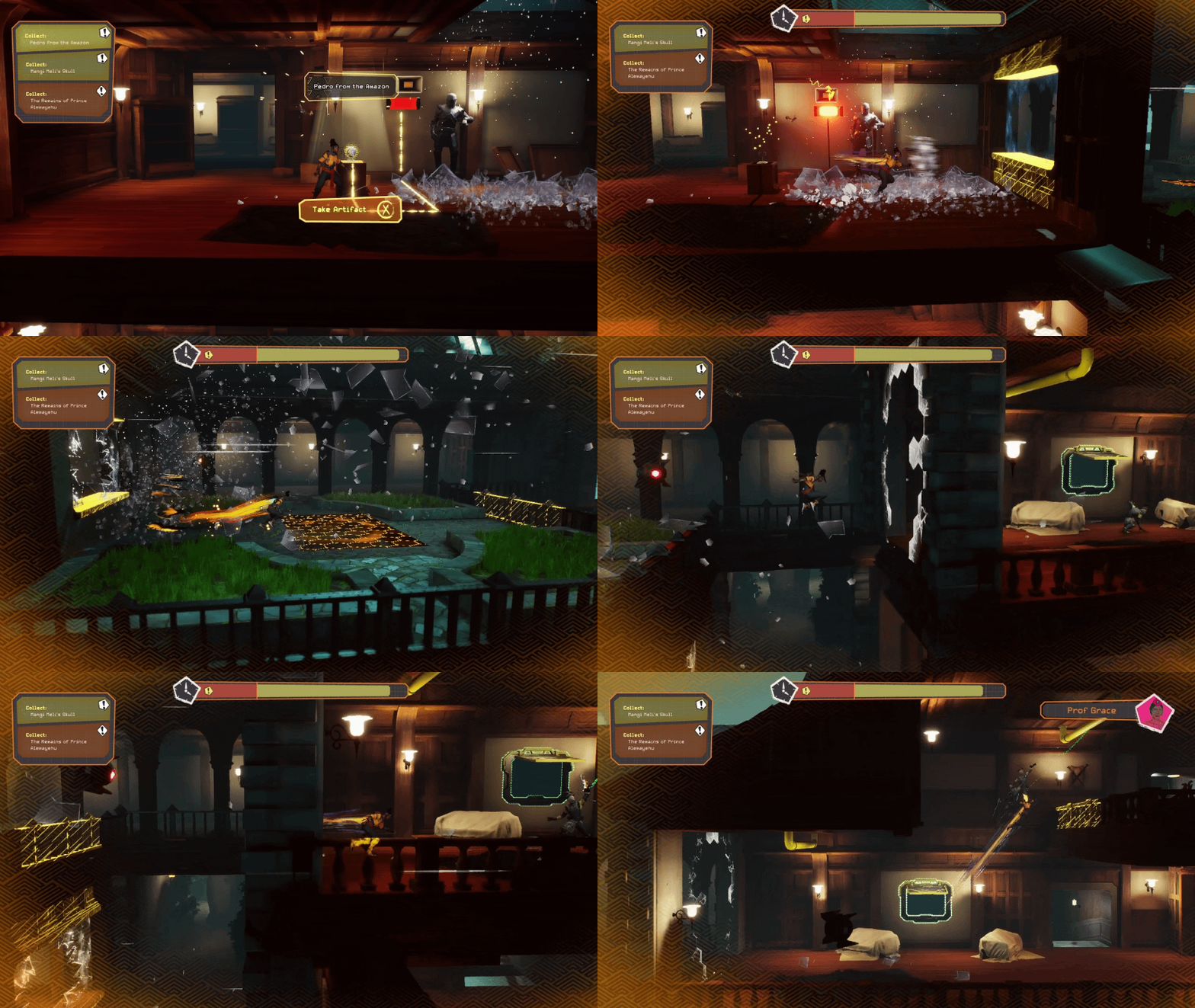
The pitch behind Relooted, the new debut game from South African developer Nyamakop, is too compelling to ignore. You’ll form a team to plan and execute heists, repatriating cultural artifacts from western museums, bringing them back to the rightful African continent.
The idea is so radically unique, it has inspired both hopeful and hateful rhetoric surrounding it’s release, while the game itself neither squanders or capitalizes on its premise - turning into a decent puzzle-platformer with an irresistible “afrofuturist” aesthetic and a righteous cause.
One of the things I like about the game is the use of real-world artifacts and treasures that each come with their own relevant historical context and grounding before being stolen. The game is played from a 2D, side-scrolling perspective in which you’ll “case” locations (museums, underground collections, etc.) to determine entry points and escape routes, eventually leading to a thrilling chase in which you’ll parkour your way through closing doors, windows and ziplines to the eventual getaway car. You could spend 20-25 minutes setting up your steal, and just 30 seconds to actually execute it.
One of the things I don’t love about Relooted is the over-reliance on training missions, which remain tedious well into the 10-hour running time, as well as the familiarity that you’ll have with each successive heist, which all gradually blur together. For a game with such radical politics at its center, playing it can feel fairly conventional.
George Garside created spare, indelible synth cassettes in the 80’s, now they’re being discovered on YouTube
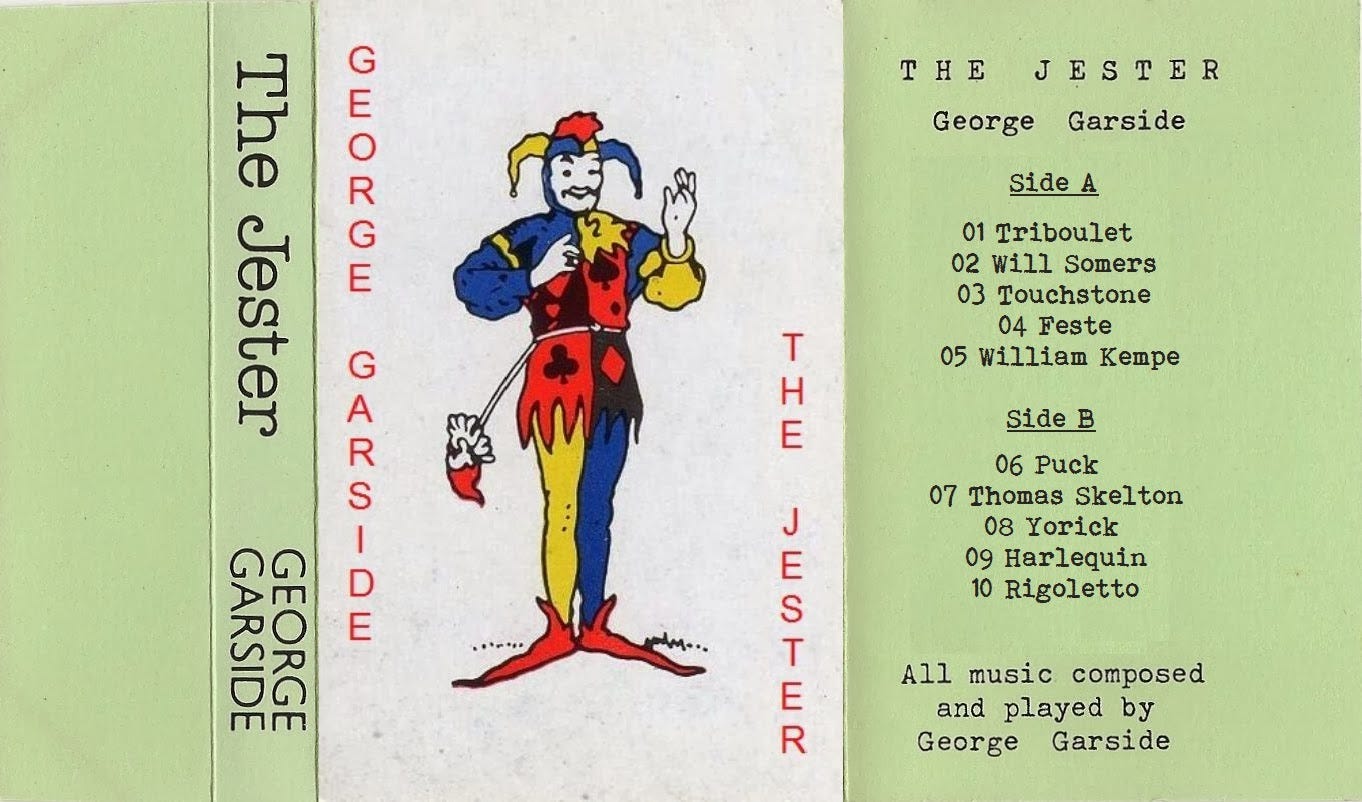
In one of the few examples of an algorithm getting something right, YouTube offered up to me a 42-minute video titled “George Garside – The Jester”, a 1985 synth album with a striking lime green insert.
The first notes of the album are prolonged, pitched-up waves of synthesizers, punctuated by plucks of deep bass. The opening track is sad but joyful, like a joker with a frown painted on its face. A blog post written in 2014 (likely the album’s origin point on the internet) described it as “bedroom Edgar Froese”, a reference to the late electronic musician and founding member of Tangerine Dream.
Scanning through comments in the YouTube video for The Jester, many describe an appreciation for Garside’s music and also for it’s rescue from complete obscurity. Further research finds that Garside made several tapes in the 80’s, all of them equally wonderful and similarly made available for the first time online fairly recently.
Reddit posts elsewhere debate the phenomenon of lost 80’s artists being rediscovered on YouTube, with some doubting their legitimacy. Although the original 2014 blog post, combined with several comments by the artist behind George’s unique artwork, Peter Jolly, have offered at least some notion of proof that these are not A.I.-generated albums or contemporary works masquerading as 80’s artifacts.
Alongside The Jester, Garside also composed the albums New Land and Oasis, each with their own surprising, intimate warmth and texture, but not rising to The Jester’s appeal, likely due in some small part to its similarities to 2024 game of the year contender, Balatro, both musically and thematically.
Whatever the environment or decade that can be attributed to the albums of George Garside, the result, as beautifully put by the Die or DIY author in 2014, was perhaps too late to be appreciated by the prog rock enthusiasts of the 70’s, and too soon to be received by an Internet audience craving something withdrawn, minimal, and moving.

The Clickaround
In a disturbing development, independent publisher Finji says TikTok is creating AI versions of their ads without their permission, “including one ad that was modified to include a racist, sexualized stereotype”. Rebekah Valentine has the whole wild, infuriating story. [IGN]
Just a week after their celebratory State of Play, Playstation have shuttered another studio, this time Austin-based Bluepoint Games, makers of the Demon’s Souls and Shadow of the Colossus remakes, among others. Sony’s income was up 19% last quarter. [Bloomberg]
Xbox CEO Phil Spencer has retired, with Asha Sharma (former President of Microsoft’s CoreAI division) set to take over Microsoft’s gaming operations. It’s a major shakeup, with Xbox President Sarah Bond also resigning. Phil Spencer ends his tenure at Xbox filled with plenty of promise, acquisitions, and lots and lots of layoffs. [Aftermath]

Games Out This Week
Fur Squadron Phoenix - February 25 (Switch)
A Star Fox homage comes to Switch after a PC release last week.
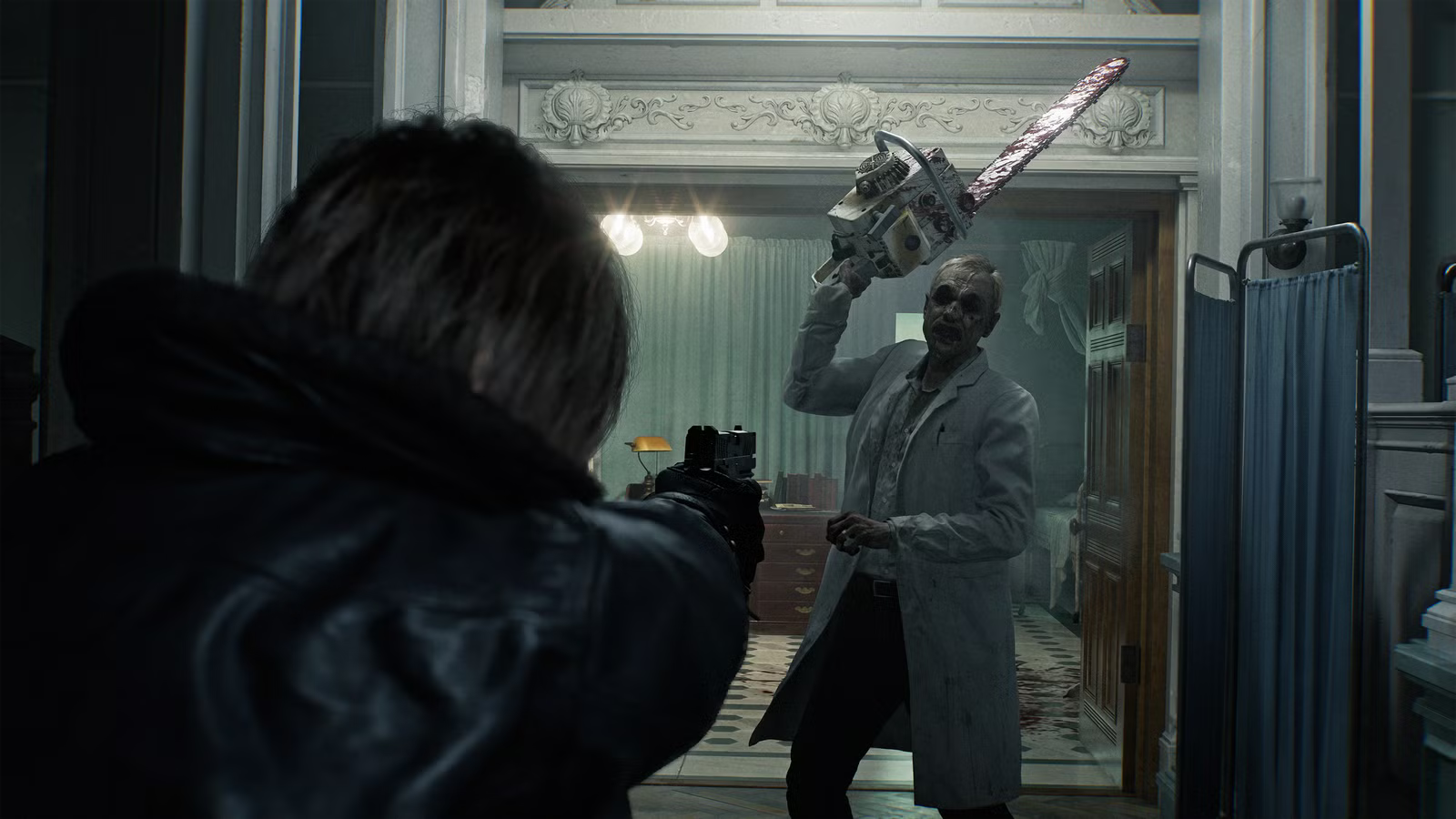
Resident Evil Requiem - February 27 (Xbox, PC, PS5, Switch)
The 9th mainline entry in Capcom’s legendary horror series.